Long Read
19 February 25
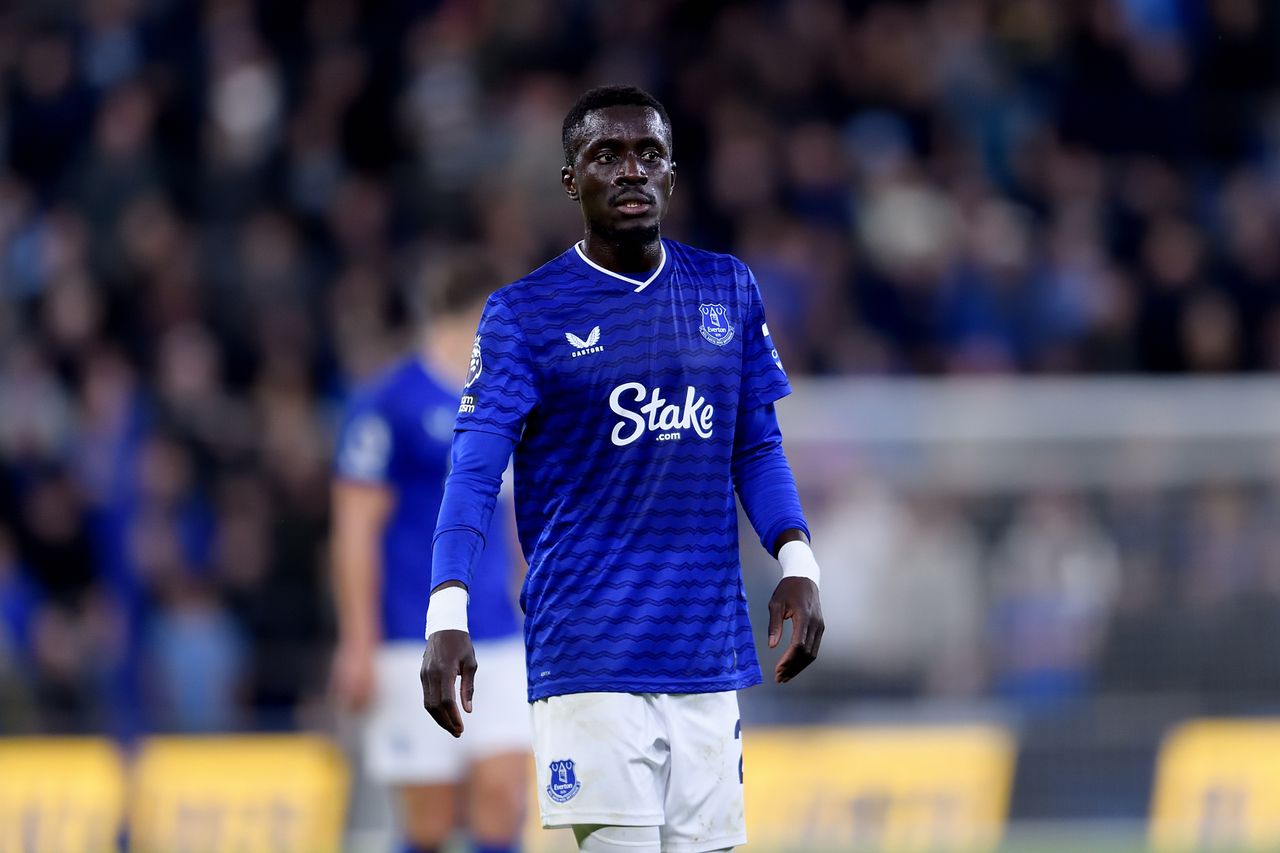
In an interview that first appeared in the Official Matchday Programme for visit of Bournemouth in the FA Cup, Idrissa Gana Gueye sits down to discuss how growing up in Senegal shaped his character and his love of ‘Teranga’. The midfielder also explains the impact of losing his father recently, passing down the love of football to his own children, and his future hopes for Everton – the Club he will always love…
Teranga, like many words in Wolof – the most-spoken language in Senegal – is difficult to translate into English.
Loosely, it means “good hospitality” but, more than that, it also encompasses generosity and warmth. Teranga is ubiquitous in Senegal and while its origins remain a mystery, historians agree it has been an integral part of the nation’s culture since at least the 1600s.
Today it remains a cultural value that is held in the highest regard by the people of the country – including Idrissa Gana Gueye.
“Teranga, I don’t know if I can explain it fully, but it is the aspect of my country I love most,” he explains. “Teranga is like, you are welcome, you are welcome in in my home – come in, have some nice food with us, have a nice drink with us... This is Teranga.
“Senegal is the most beautiful country in the world and the people are so nice, amazing, always with a smile.”
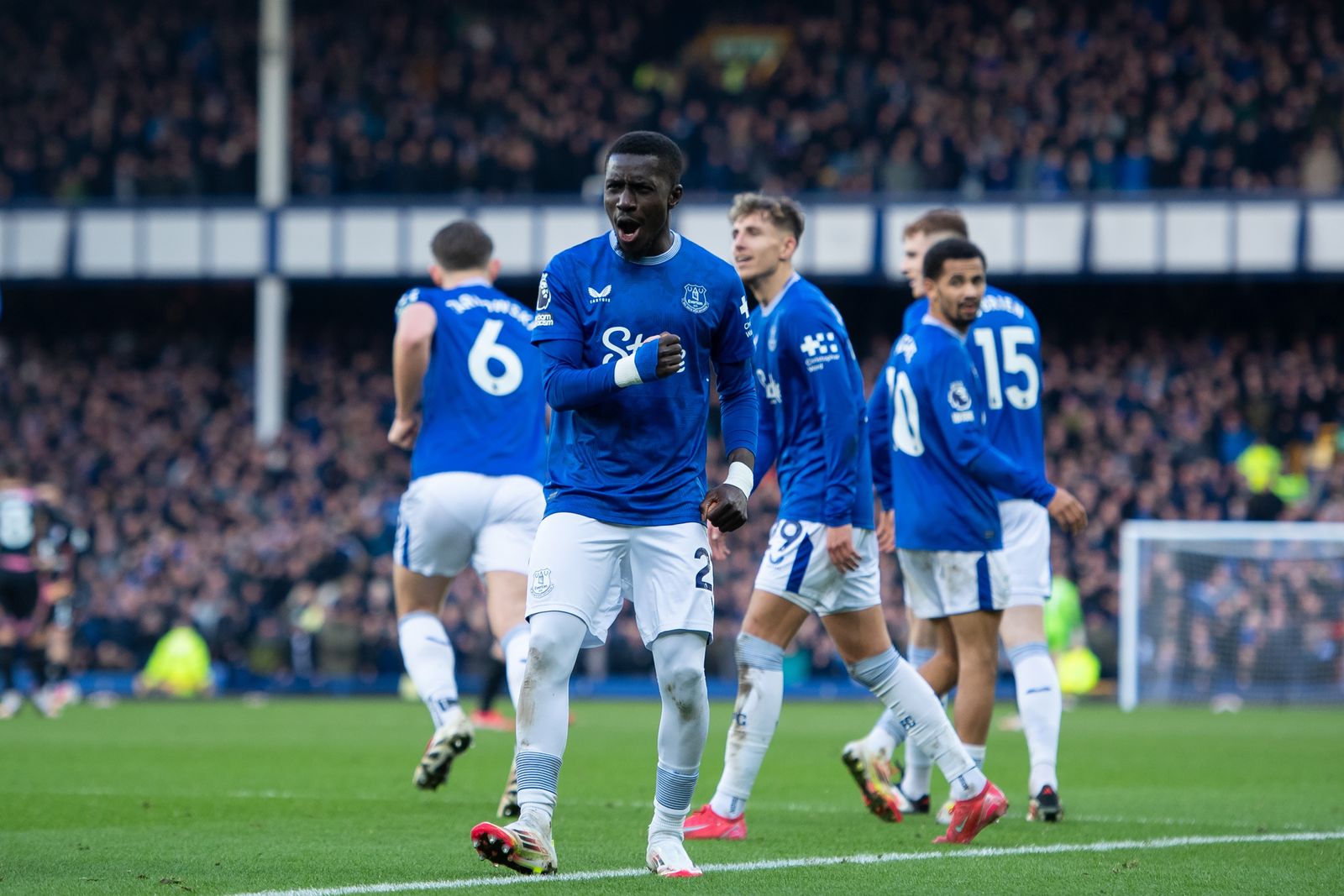
The national football team’s nickname – the Lions of Teranga – is perhaps one that also applies to Everton’s No.27, a fierce competitor on the pitch but an affable character away from it.
Like most people, Gana believes his roots and upbringing have shaped the person he is today.
“People in Senegal love football so much because I think it is the only game that can bring everybody together – it brings peace, it brings happiness, solidarity... it is probably the most popular sport, alongside the traditional wrestling,” he says. “When you are young, I think you just want to play football and be outside. When you finish school, you go play football with your friends. Before everything, you just play football because you love football so much. That’s what I did.”
Born in Dakar, Senegal’s capital city, Gana’s love of football – initially passed down from his father – continued to grow by spending countless hours playing with his two older brothers on a beach close to their family home, as well as on the streets with friends.
It eventually led him to the famous Diambars, an Academy that was co-founded by Patrick Vieira, who was born in the same city as Gana before going on to represent France on the international stage.
“I think growing up in Senegal made me a good person – they gave me the religion,” reveals Gana, a devout Muslim. “They showed me how to be a man, they showed me how to be a footballer, too, because that’s where I first started playing – on the streets with my friends, without shoes on, like a lot of kids there.
“They showed me happiness, the importance of being nice, the importance of welcoming everybody regardless of who they are... All of these things. I’m proud of where I am from and I have so many good memories of life and football.
“When I was 13, I left my family to join Diambars, and that was where things started professionally for me.”
There is one man who stands out above all others when it comes to Gana’s football journey – his father.
The ‘Gana’ – Idrissa’s middle name – that is printed on the back of his shirt for Club and country is also the name he prefers to be known as in conversation. It was one given to him by his father to honour his grandfather.
Sadly, Gana’s father passed away in September but the 35-year-old’s drive to make him proud remains as strong as ever.
“I’m doing good,” Gana insists, as conversation turns to coping with his loss. “I’m so proud to wear the name Gana, with it being my father who gave me his father’s name. To make my father proud was all I wanted when I started out.
“When I became professional, I made the decision to use Gana instead of Gueye, and I did that for him, my father, because he sacrificed his life to give me the best chance, he taught me about my religion and he gave me everything – him and my mum.
“Every time I finish a game, my father would send me a message. The first time he saw the ‘Gana’ name on the back of my shirt he was so proud that he called me instead. To give him that feeling of pride meant so much to me.
“There were other amazing moments that stand out, too. I remember he cried the first time I played for the national team. It was extra special because we played Ivory Coast and my father was born there, so they were two countries that meant so much. It was the most special moment for him.”
Gana now has three sons of his own – Isaac, Ismael, Ilyass – and is naturally passing down the love of football down to the next generation, while also aiming to instil the same important values that shaped his own childhood.
“With football, it can be difficult because when you finish training sometimes you just want to go home and chill – but these kids want to play football a lot!” he explains, breaking into laughter. “I remember when I was young I would follow my father and grandfather because they taught me how to run, how to touch the ball, they bought me my first training kit, they bought me my first shin pads.
“So, yeah, it’s special for me to be in the position they were in now and my kids being the position I remember.
“But I would never force them to become a player because the most important thing, for me, is teaching them the religion they need to be a good person, a good Muslim, and after, if they like to play football, then I will support them all the way – and that is what I do now.
“Every time, when I finish training, I go home and we take the ball in the garden to play football. It’s difficult [to find the energy] but that’s what I do to make them happy, especially my eldest son... We don’t even really need to buy him clothes because all he wants to wear is his training kit!
“I will help them and I will teach them what I learned before. But the most important thing for me is being a good man. And after, you can be any job you like – you could be a journalist, you could go into medicine, you can do anything. But if they want to be football players, then that’s also good.”
Gana, of course, is not only a role model to his sons – but millions of aspiring footballers across Africa.
On his hopes of serving as an example of what can be achieved to youngsters across the continent, he says: “I just hope to show young people that everything is possible, even if you come from Africa. You have to be proud, you have to keep your culture, keep your faith, and don’t forget where you’re from.
“It doesn’t matter where we are, we are all together. Football is for everyone – it’s international, it’s not just for Europe or something like that. It’s for everybody. And if you have an opportunity and work hard, then anything is possible.”
Football, obviously, has always played a huge part in Gana’s life.
As a professional, he has also represented Lille, Aston Villa and Paris Saint-Germain – three big clubs – but, for him, Everton will always top the list.
“This is my sixth season at Everton,” he explains. “This club means so much to me because it has given me everything. It gave me the opportunity to play at a high level, it gave me friends, the relationship I have with these great supporters. I just love this club.
“I think everybody knows but when I left for PSG, I still thought about Everton a lot. Now I’m back here and I’m just trying to do everything in my power to help the team in the best way and make us better.
“It just means a lot to me.”
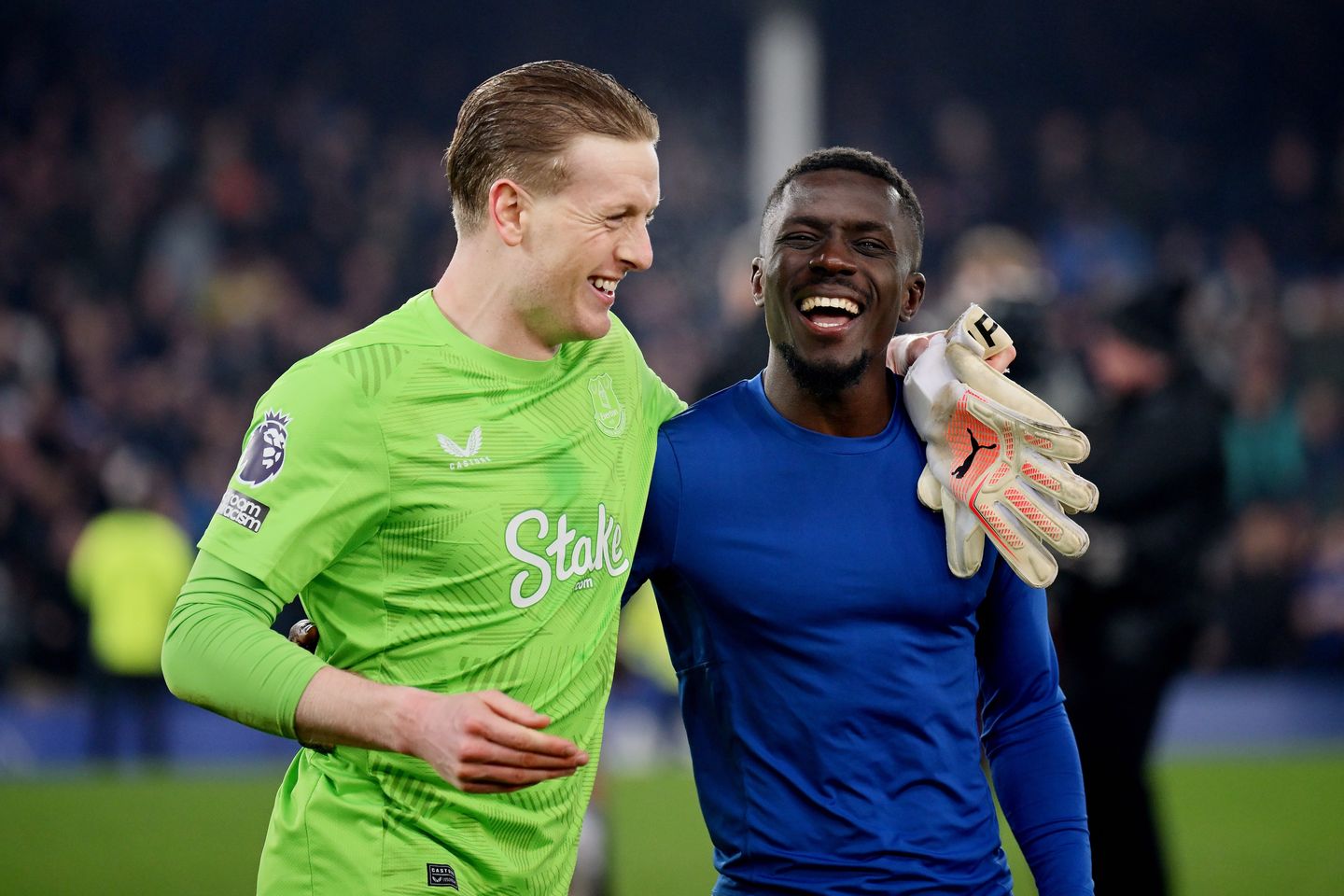
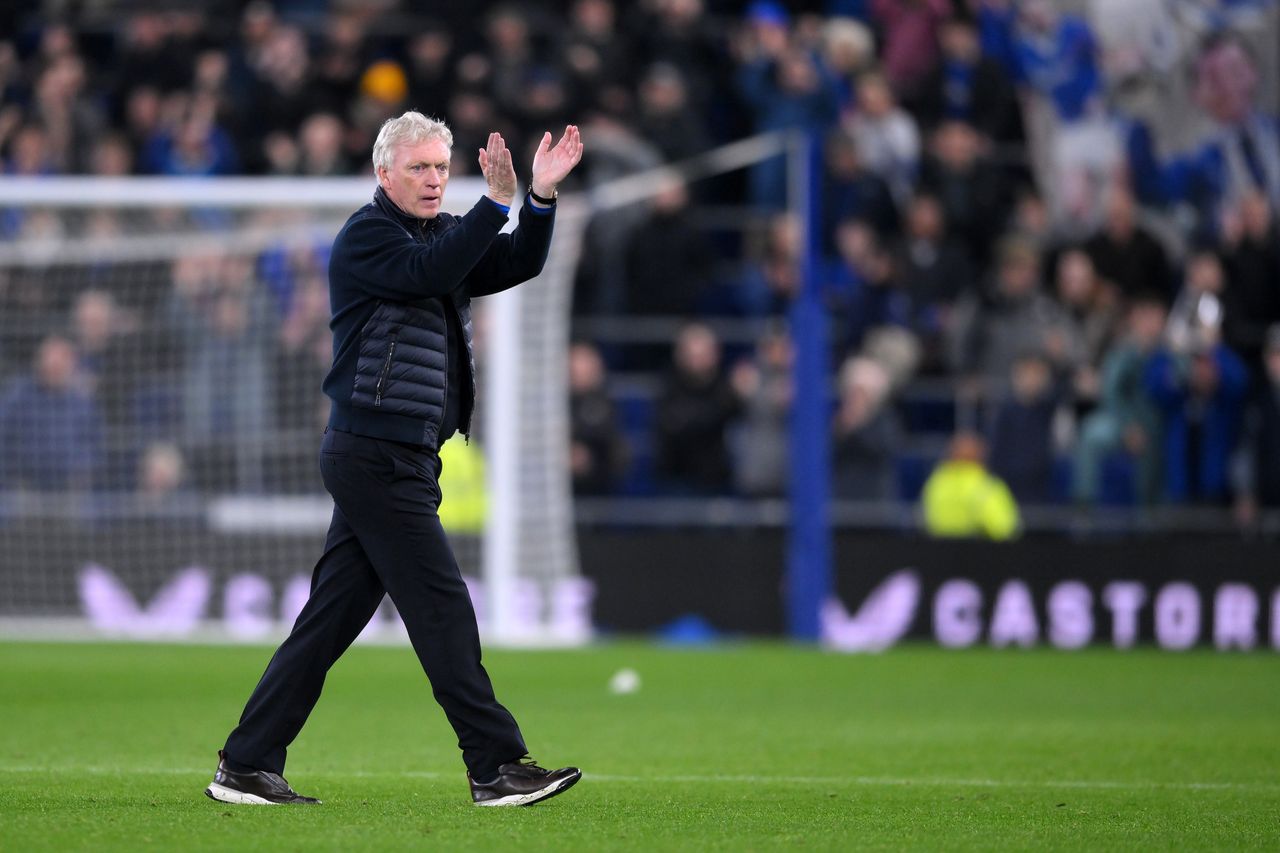
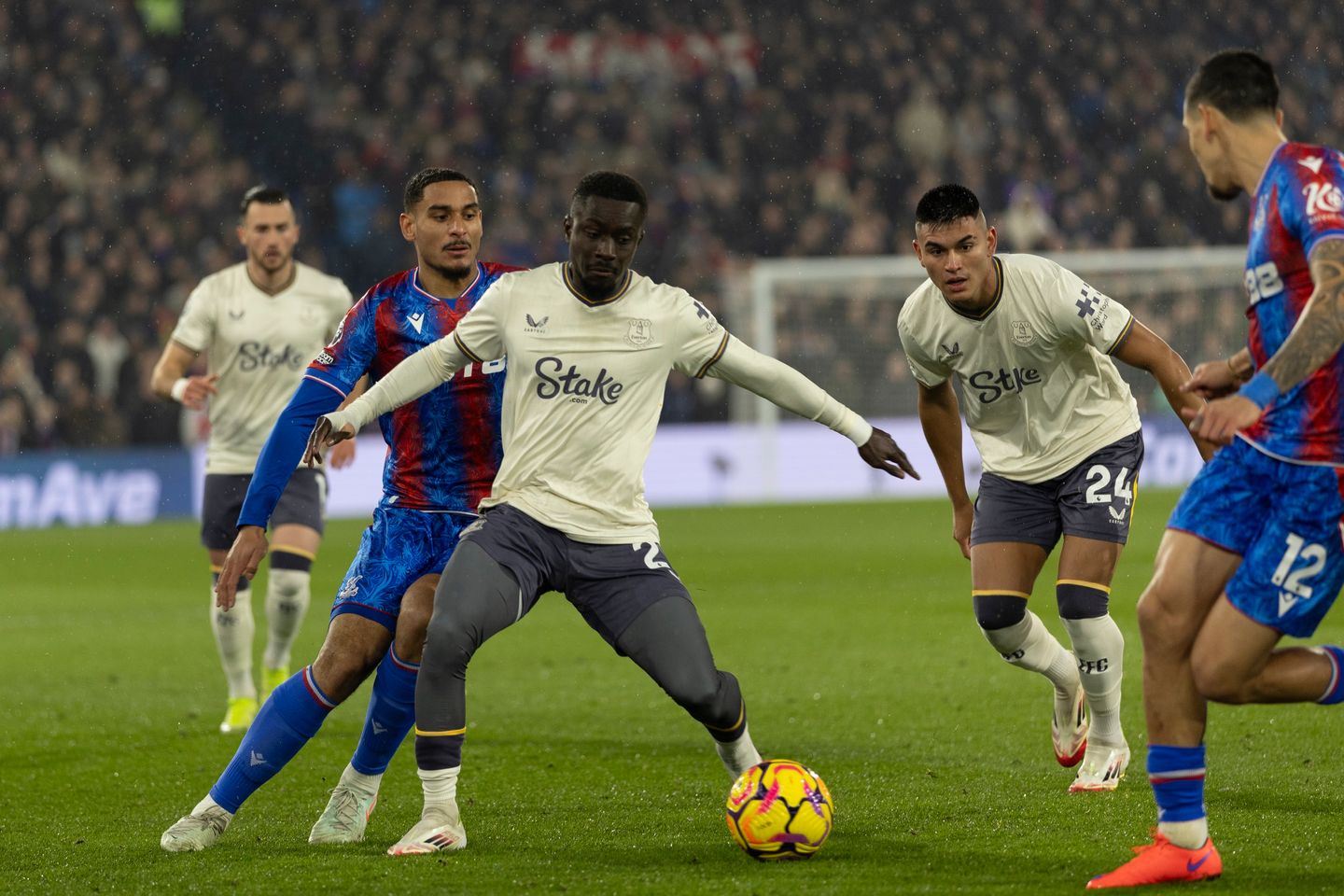
The all-action midfielder has been in imperious form for the Blues so far this term and continues to play a vital role in the heart of midfield under new manager David Moyes.
“We’re training really good and the manager has changed some things,” reveals Gana. “We are watching more individual videos, and we are doing more tactical [work] to play shorter passes.
“We keep giving our best. We are enjoying the work and hopefully this manager will help us in the future to get in the top level, like fighting for Europe, once again, rather than battling away from relegation.
“But, at this moment, this is our situation. We have to accept it, but we have to work hard to get out of this situation.”























© Copyright 1878 - 2026 Everton Football Club