Long Read
4 hours ago
In the spring of 2002, Everton was a club in the doldrums.
Knocked out of the FA Cup at Middlesbrough, lying a stressful 16th in the Premier League, in 10 of the previous 11 seasons the Toffees had finished in the bottom half of the table.
Cue the appointment as manager of a flame-haired, driven young firebrand who swept into the Club like a force of nature. In the 11 seasons which followed, Everton finished outside the top half only once.
There were four seasons of European football, an FA Cup final and three seasons lording it over Liverpool in the table.
When he returned for a second spell as manager in January 2025, with Everton one point above the relegation zone, having endured 16th, 17th and 15th-place finishes in the previous three seasons… his first full season back saw the Club challenging for a place in Europe.
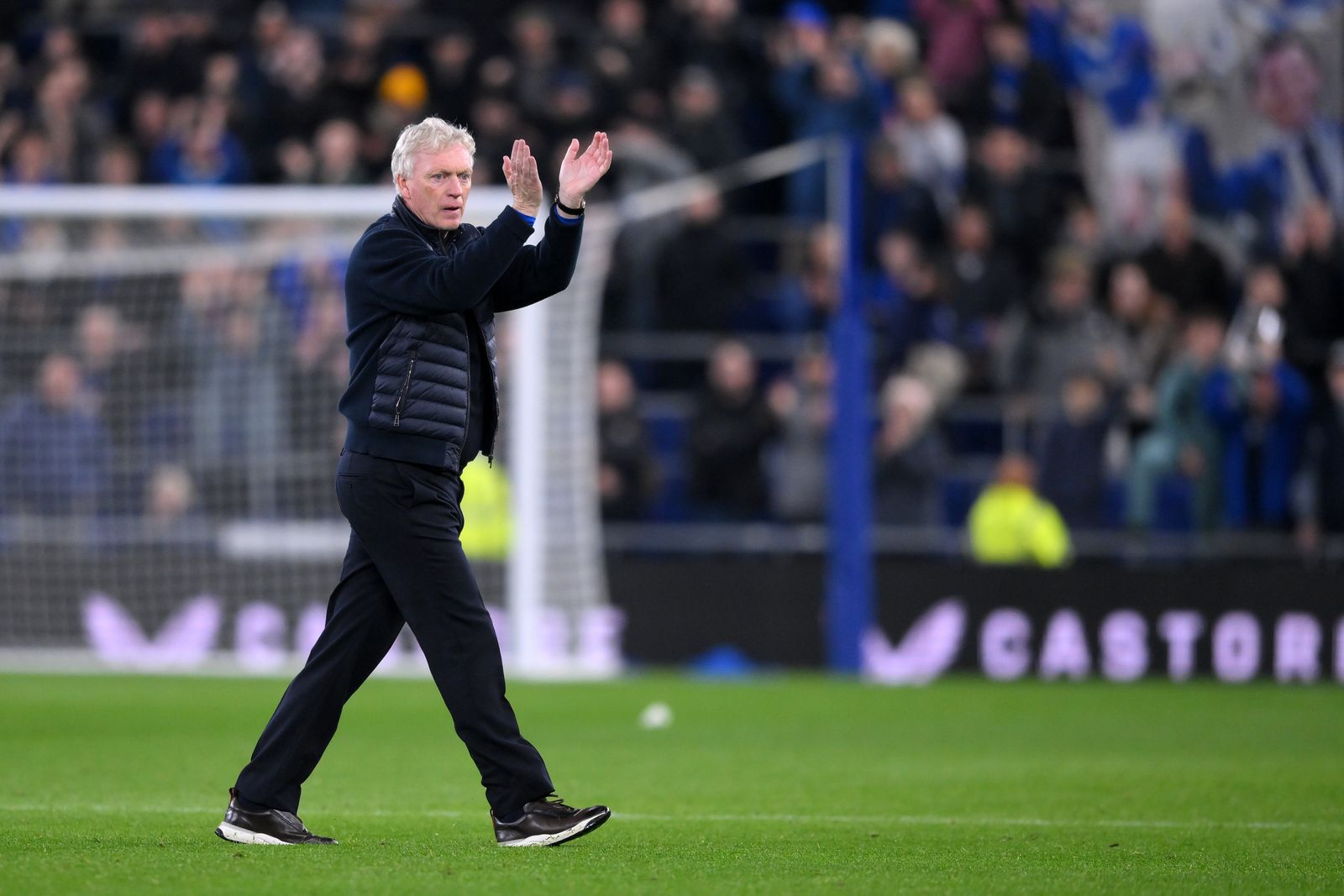
Now David Moyes is about to join the 592 Club, the same number of matches the legendary Harry Catterick oversaw.
No other Everton manager has taken charge of more.
Is David Moyes proud of reaching that landmark? Do things stay the same once Everton has touched you?
“Yes I am proud,” he tells the Official Matchday Programme at the Finch Farm training complex he helped design. “The thought of being the Everton manager who has managed the most games is something I’m very proud of.
“I’d dearly love to have added trophies to that statistic. But during the times we’re talking about we didn’t have the kind of financial backing Harry had.
“When I became the manager, Bill Kenwright said, ‘We don’t have much money, David. I’ll be able to give you five million a year to spend and if you generate anything else then it’s yours. But I’ll only be able to give you five million a year’.
“I told him, ‘That’s great, Bill, as long as I can do what I want with the players, as long as I can take them away and give them the best facilities’, and he shook my hand on it. He made good on that promise.
“That was that and it was how we worked. By the way, I pushed him hard for more! But I understood how it was.
“But that first time at Everton, when I look back, I hope we don’t take it for granted how good it was, really. How close we came. When you look back now and people tell me how many times we finished above Liverpool, how many times we got into Europe, we were in the middle of it and it felt quite disappointing at the time because I was trying to break the ceiling on the top clubs.
“At the time I was thinking, ‘My goodness, this is driving me mad that I can’t catch the top teams’.
“We didn’t have a big budget but we qualified for the Champions League. Duncan’s goal against Manchester United that night was magical. There were other things which stay with me.
“From my first day, Unsy’s goal against Fulham sticks with me. The FA Cup semi-final against Man United also stands out.
“After that semi-final, which we won on penalties on the Sunday, we were due to play Chelsea the following Wednesday night. So we were staying down and the atmosphere amongst the players was great. We went to Chelsea a few days later and we drew that, too. So we were really competitive with all the teams.
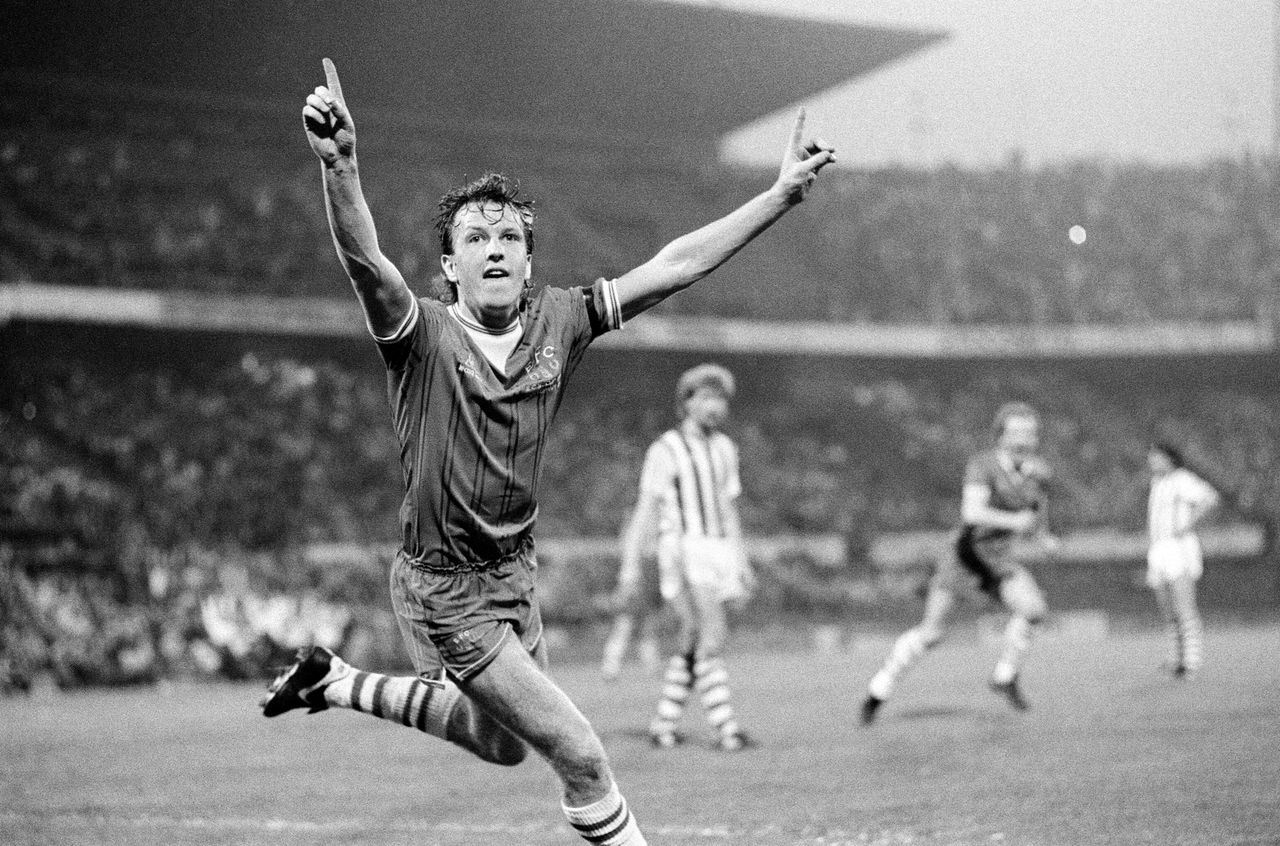
“Then I remember when we went and lost 2-0 at Fiorentina in Europe, but came back and won 2-0 in one of the great Goodison atmospheres. I get emotional talking about it now! I had a picture in my mind that night of Andy Gray’s goal against Bayern, and I was thinking the atmosphere was so like that.
“We came so close and went out on penalties. Sometimes I remember actually how good a team that was.
“So am I proud of the 592? Yes, I am.
“But I probably take more pride from bringing in players who went on to become England internationals because I saw that as them getting better as a result of what we did with them.
“For that to happen we needed the team to do well also, to become more attractive so players wanted to come to us.
“And people were interested in coming to Everton at the time. That was an era when only four or five teams were getting into Europe every season. And it wasn’t an easy job to be in the top five in England.”
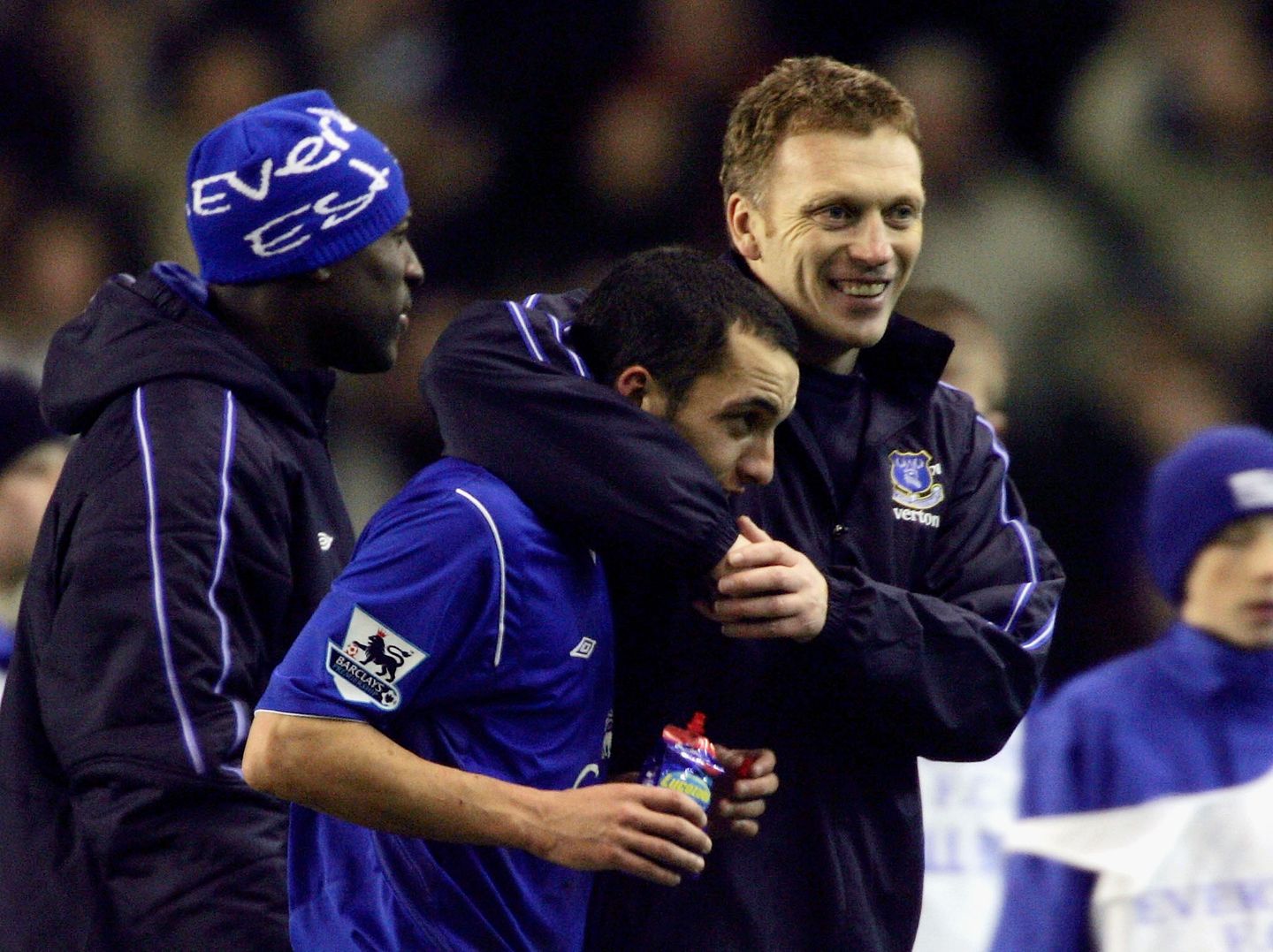
Two of Moyes’ managerial rivals in that era were Arsene Wenger and Sir Alex Ferguson. They remain the only bosses to have managed more Premier League matches than him, but Moyes’ managerial journey was initially born of a desire to become a better player.
A centre-half, Moyes was a Scottish league title-winner with Celtic in 1981/82 and a Scotland youth international, but the ambition and drive which would later characterise his management was clearly evident even in his early 20s.
“I did my coaching badges at a very early age,” he explains. “I think my leadership was one of my qualities as a player; I was captain of most of the clubs I was at – and I thought doing my coaching badges would probably give me an advantage. I became a qualified coach when I was about 21 – purely to try to become a better player.”
So driven was the young Moyes he actually took his coaching badges twice!
“I did my badges in Scotland,” he smiles. “At that time it was the ‘C’ licence, the ‘B’ licence and then the ‘A’ licence, after which you became a coach. But when I left Celtic and I moved to my first club down in England, which was Cambridge United, I thought, ‘I don’t know if this badge is going to be recognised down here’.
“So I then started to do the English courses!
I actually went and completed all the work again.
“I only needed to do it once but I actually did it twice. I thought that maybe in England the Scottish licence wouldn’t be quite as well respected, but as it is, the Scotch coaching badge is highly respected worldwide. It still is.
“So I went and did it again at Lilleshall and I became a qualified coach twice over. It’s a bit like going to university and doing the same degree in different universities!
“I was from a family where my dad had run boys’ teams in Glasgow. I was brought up that way and I was always really interested in that side of it.
“I was always thinking what I would do when I finish? I didn’t really think I’d have enough qualifications to do anything else so I maybe hoped I would get a job with my badges.
“But ultimately I was doing it mainly because I wanted to become a better player.”
Moyes added: “I was a Scottish youth international, a Scottish schoolboy international and when I looked at the players who I had to try and be better than... it was really difficult as a centre-half at that time and those badges helped me an awful lot.
“I had a good career. I think I had more than 600 games and the clubs I worked at really helped me because they gave me an understanding of how things worked at the lower levels, not having all the mod cons.
“I’ll always go back to my early days at Celtic where I believe that I learned all my traits of what a good club really looks like, what winning means. At Celtic, I learned all about the pressures of being at a big club, what it’s like playing for a club like that and also having a chance to work with Scottish internationals. At the time, when I was a young player at Celtic, they were as good as any team in England. Celtic would have played any team in England and given them a run for their money.
“The level of players I was working with, training with and playing with, gave me a great insight into what a big club really looked like.”
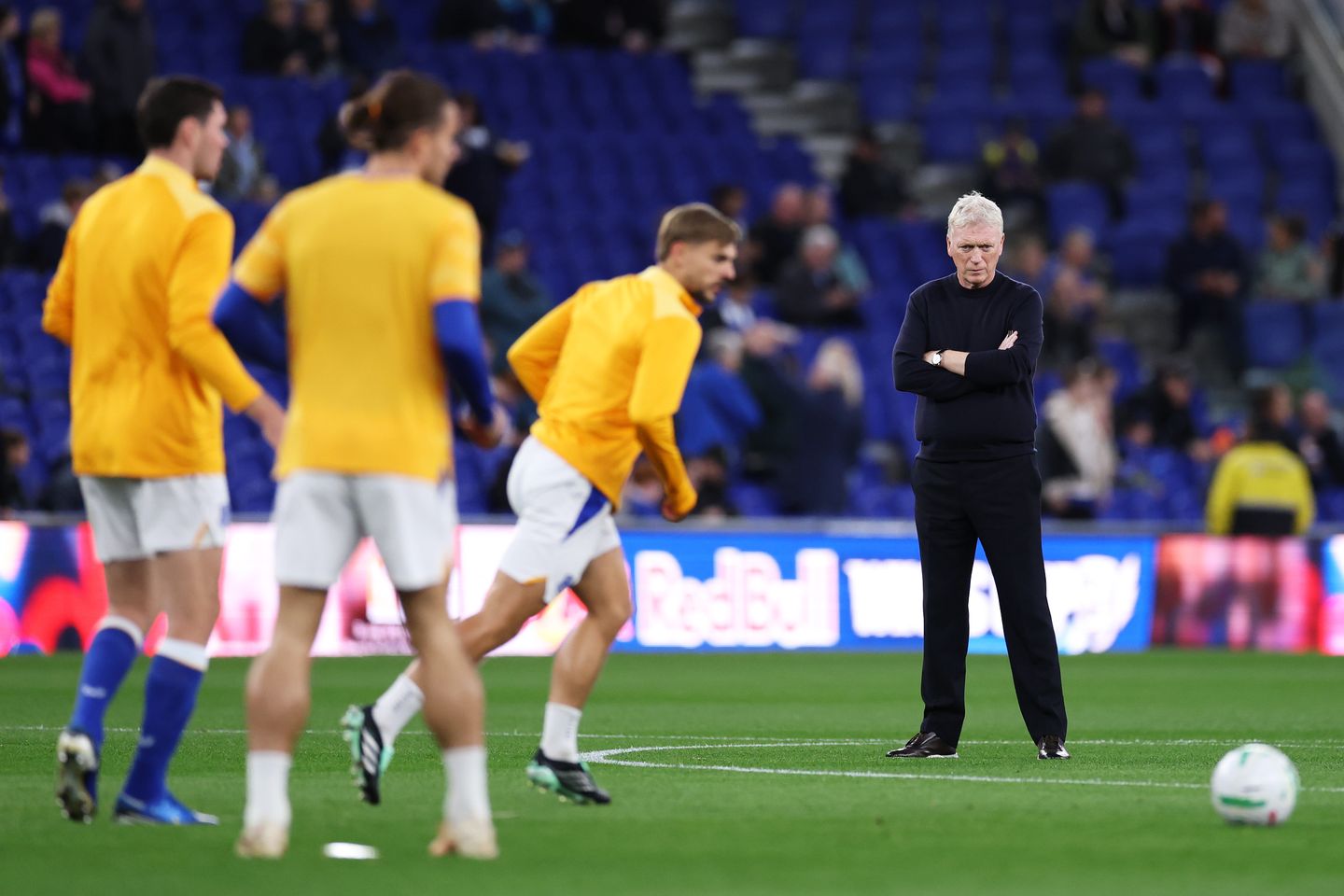
Moyes’ manager at Celtic was Billy McNeill, the legendary European Cup-winning captain who as a manager won four Scottish league championships, including a league and cup double in the club’s centenary season.
“He was my first real managerial inspiration,” adds Moyes. “He gave me my debut and he was also a centre-half who wanted me to do well.
“He was probably the first one, but there were others on the journey who were so valuable.
“At the time, being a coach wasn’t probably the biggest thing for me, I was trying to become a better player.
“I always took things from so many coaches, people who would stand out for different reasons. Terry Cooper was my manager at Bristol City and he was a brilliant man-manager and treated us all brilliantly well. He was also a great player.
“Then there was Iain Munro with Dunfermline and John Beck at Cambridge United. He might have had a certain reputation but he had some brilliant ideas.
“Some of his ideas might have been extreme, but there were also so many good things which he did.
“I also had managers who you’d think, ‘Well, I won’t do that!’
“Obviously, my dad was a big inspiration because he ran boys’ teams and I watched from a distance how he did it.
“But probably the most inspiration I took was from three Scots: Andy Roxburgh, Walter Smith and Sir Alex Ferguson.
“They were probably the people who inspired me most. They were Scottish so I would go to the coaching courses, even when I’d qualified, nearly every year just to be around them.
“They were the people who were probably my biggest inspirations.”
One of that inspiring Tartan trio was a factor in Moyes becoming Everton manager for the first time in 2002.
Guided by their driven young manager, Preston had just been denied a second successive promotion, this time to the Premier League, in a Play-Off final at Wembley.
Everton were hovering dangerously close to the relegation zone and had just been knocked out of the FA Cup on Teesside when the decision was taken to part company with manager Walter Smith.
“I spoke to Walter,” reveals Moyes. “I went to his house in Lymm.
“Walter was a really good friend. When I was a player in the Scottish youth team, Walter was the assistant manager to Andy Roxburgh. They were great people and I had huge respect for what they’d done in management. So, I phoned him up and I said, ‘Can I come and see you?’ I went round and I said, ‘They’re offering me the Everton job’, and he already knew because Bill had mentioned me to him.
“He was great. He said, ‘Well, you have to take the job, it’s a great job’.
“But what I really remember about that day was he said to me, ‘You’re really lucky, you know? We have a really good player in the youth team’. It wasn’t what I was most focused on because I was thinking more about the job – but that boy was Wayne Rooney.”
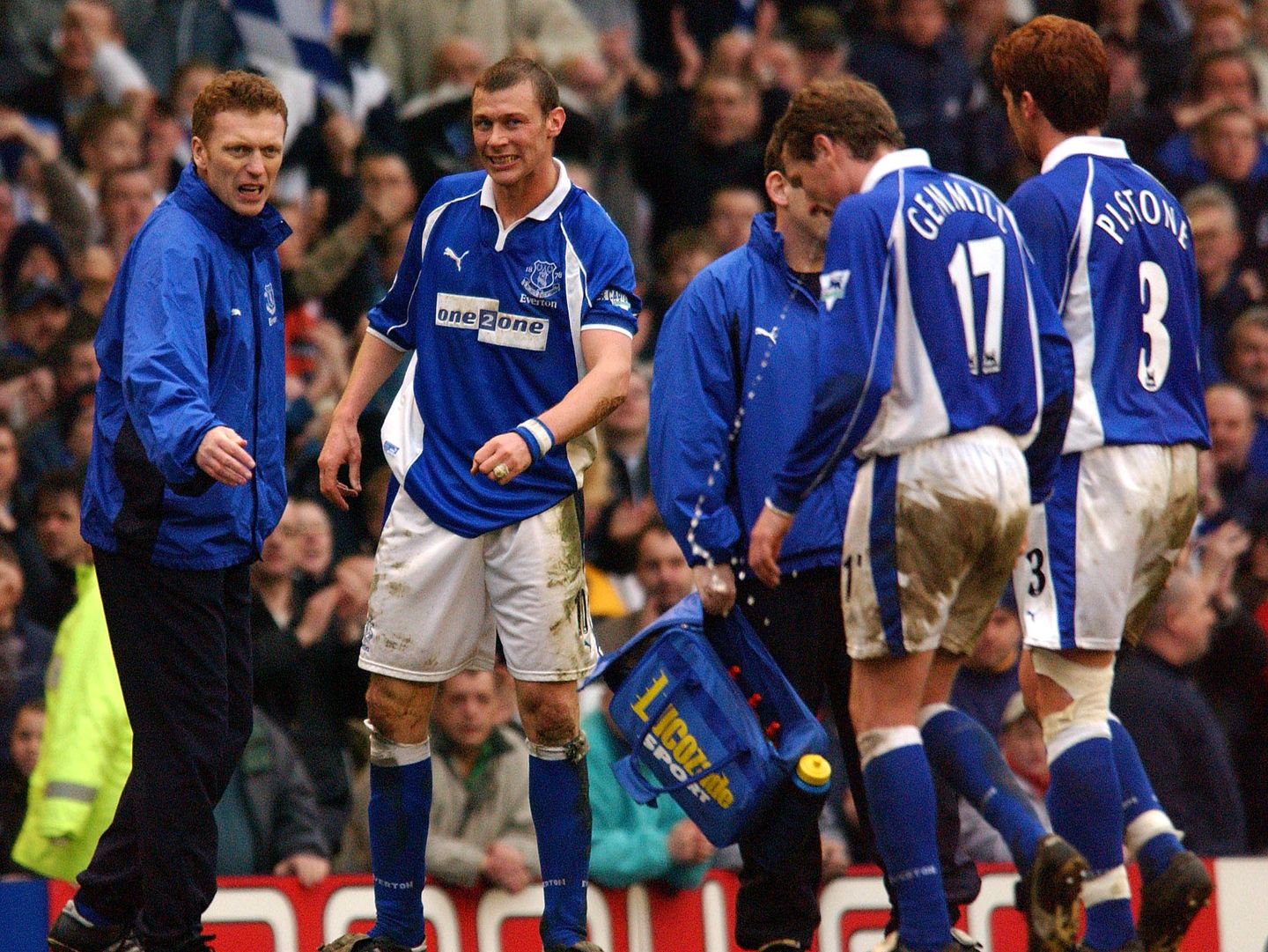
Typical of his drive and his work ethic, Moyes left that meeting to go and meet Everton chairman Bill Kenwright in London – via Bristol!
“I actually drove to Bristol Rovers first because I wanted to watch the centre-forward they had as a potential signing for Preston. I had my scout Clive Middlemass in the car with me,” Moyes recalls.
“We went down in the car to Bristol Rovers to watch the centre-forward, then went on to meet Bill in London.
“As a result it was really late at night when I got to London. I had been given opportunities to manage other clubs in the Premier League, Sheffield Wednesday and Nottingham Forest, jobs like that.
“But there was an old director at Blackpool who I used to see now and again. And he used to say to me, ‘The club for you is Everton’, and that stuck with me.”
Hours later, he was offered the job and so began a love affair which, 24 years later, still burns brightly.
David Unsworth scored the first goal of the David Moyes era after 32 seconds against Fulham, Duncan Ferguson added another 13 minutes later and, despite the wobble of a Thomas Gravesen red card before the match was even half-an-hour old, Moyes guided his new team to the first of their 246 wins under his leadership.
“I don’t think anything surprised me about the Club,” he says today. “I was well versed in football, in watching football so I knew exactly what I was coming to.
“But probably the big thing which struck me was when I was driving in, and I’ve told this story before, but it’s absolutely true.
“I was coming in on a nice spring evening. I can remember it was quite bright and looking out the windows all I could see was Everton strips everywhere.
“That was my over-riding memory. I was relatively young and inexperienced in some ways, but I’d been around the leagues and I just remember thinking, ‘My goodness, everybody in the streets in Liverpool are Everton supporters.’
“That was where I came up with ‘the People’s Club’ line. I think in a way that might have helped me be accepted.
“A lot of people said, ‘Ah, you must have thought that up beforehand’ but I didn’t. It was genuinely just driving in when I thought it.
“Did I think I’d still be there 10 years later? Probably not, but when I think back about myself then compared to now, I was a real fighter then, I was going to challenge everything and I wasn’t going to roll over. I believed in my coaching, I believed in what I could do if I had a chance to do it, partly because of the success we’d had at Preston without a great amount of money, up against Graeme Souness’ Blackburn, or Jean Tigana’s Fulham or Big Sam’s Bolton.
“When I came in I had a good knowledge of the lower leagues, I’d seen a lot of the players first hand and I knew people who had passed on good information to me. I thought if I could tell Bill about the good young ones maybe we could sign them?”
Cue a procession of some of the most inspired budget signings in Premier League history.
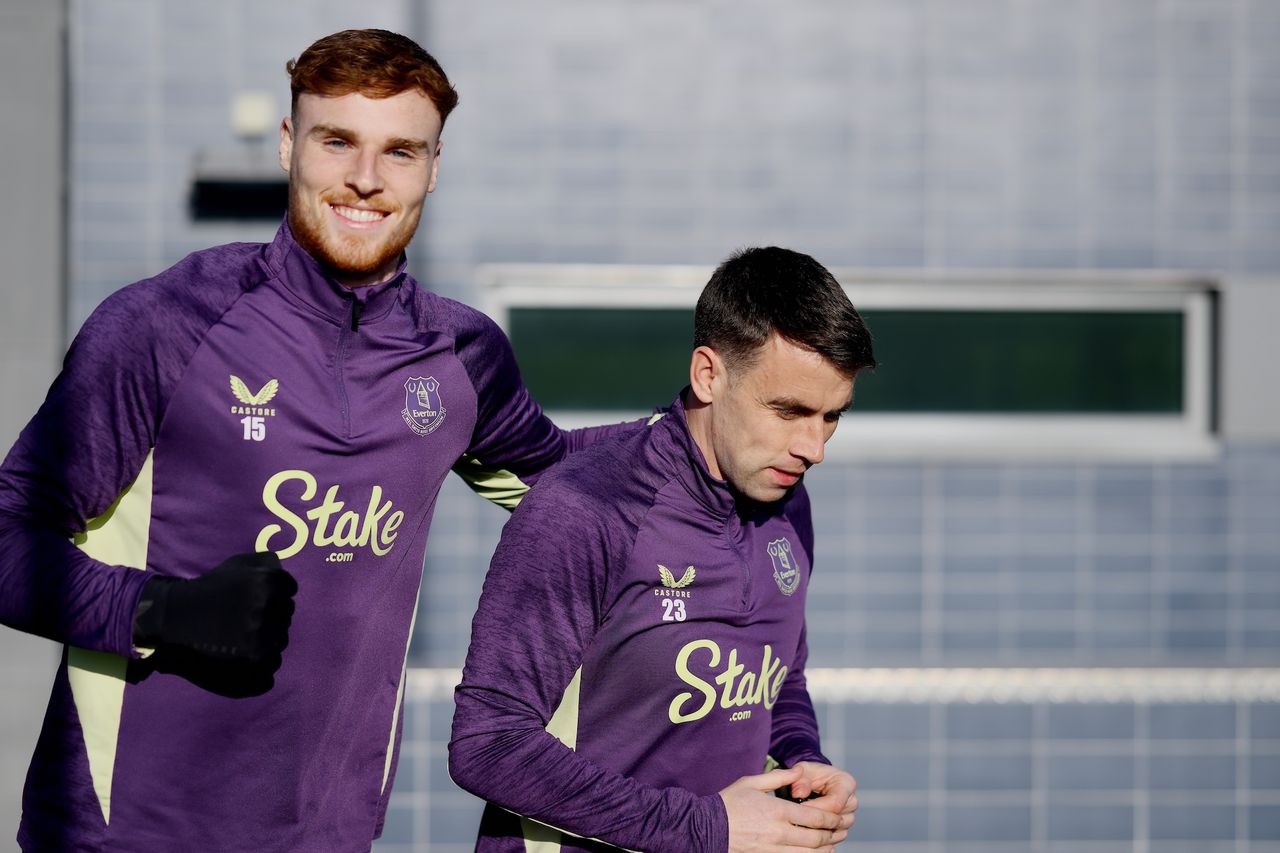
Phil Jagielka, John Stones, Tim Cahill and Joleon Lescott were all snapped up from Championship clubs, Leighton Baines was in only his second season as a Premier League player at Wigan, while Seamus Coleman was snapped up from Sligo Rovers in Ireland.
Jagielka, Stones, Lescott and Baines went on to play many times for England, Cahill became an Australian World Cup legend while Coleman is currently on 81 Ireland caps, many as captain.
Then there was the goalkeeper who Moyes considers his best-ever signing.
“Nigel Martyn was probably our best signing but there were so many others,” he reflects. “But you can’t take all the credit for them.
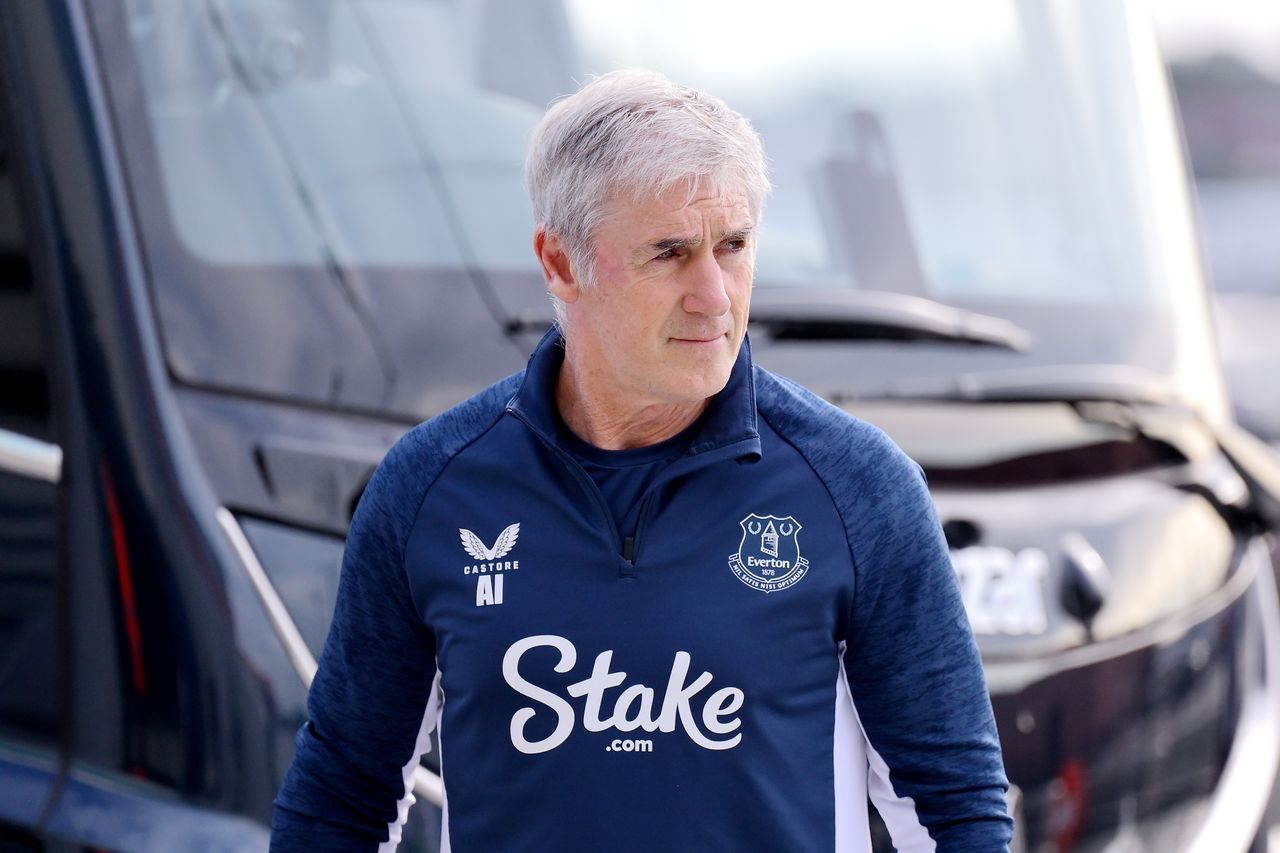
“For example, with Bainsey, Alan Irvine went to watch England Under-21s in a European tournament. He came back and told me, ‘We’ve got to sign him’.
“I remember going to watch Jags at Burnley playing for England Under-21s, at right-back. We were always out trying to pick up players. I took Bill Kenwright with me in my car to Millwall, where our car was getting beaten up on the way in! We actually went to see Lucas Neill but we came back raving about Tim Cahill. So we were always out trying to find the players who we thought could make a difference for us.
“I think football has changed dramatically since then. So many games are on television now and you can see any game you want. But back then we were always out, my staff as well.
“I used to say to my staff, ‘If you want to work for me then you need to understand that there’s no days off. You’ll get days off somewhere. But not now’.
“If you wanted to work for me, then that’s the way it was, because I felt that the only way I was going to try to be as good as some of the managers in the Premier League was to try to work harder than them, gain more knowledge than them, or find out about more things which could help me.”
It was a quest which worked. Three times David Moyes was voted the League Managers’ Association Manager of the Year, and at West Ham he secured the club’s first major silverware in 43 years when he celebrated victory over Fiorentina to win the UEFA Europa Conference League.
Eighteen months later he was back at Goodison Park, guiding Everton to our first win in six matches in the Premier League and winning his latest Manager of the Month award after remaining unbeaten throughout the entire month of February.
“Coming back wasn’t difficult, but it was frightening!” he admits. “I had left and obviously a lot of people were disappointed I’d gone, but I also do think it was probably the right time to leave for different reasons as well.
“Everton has never left me, so getting the chance to come back was a great opportunity. But could I keep them up? I wasn’t sure.
“But the move from Goodison Park meant so much to me.
“The new stadium wasn’t as big a thrill as leaving Goodison, because Goodison was where I had worked for 11 years.
“I told a couple of my close friends that I’d been offered the Everton job and they were saying, ‘Oh, you’ve got to go’. But I was saying, ‘What if they go down? I’m done! I’ll have to move back up to Scotland’.”
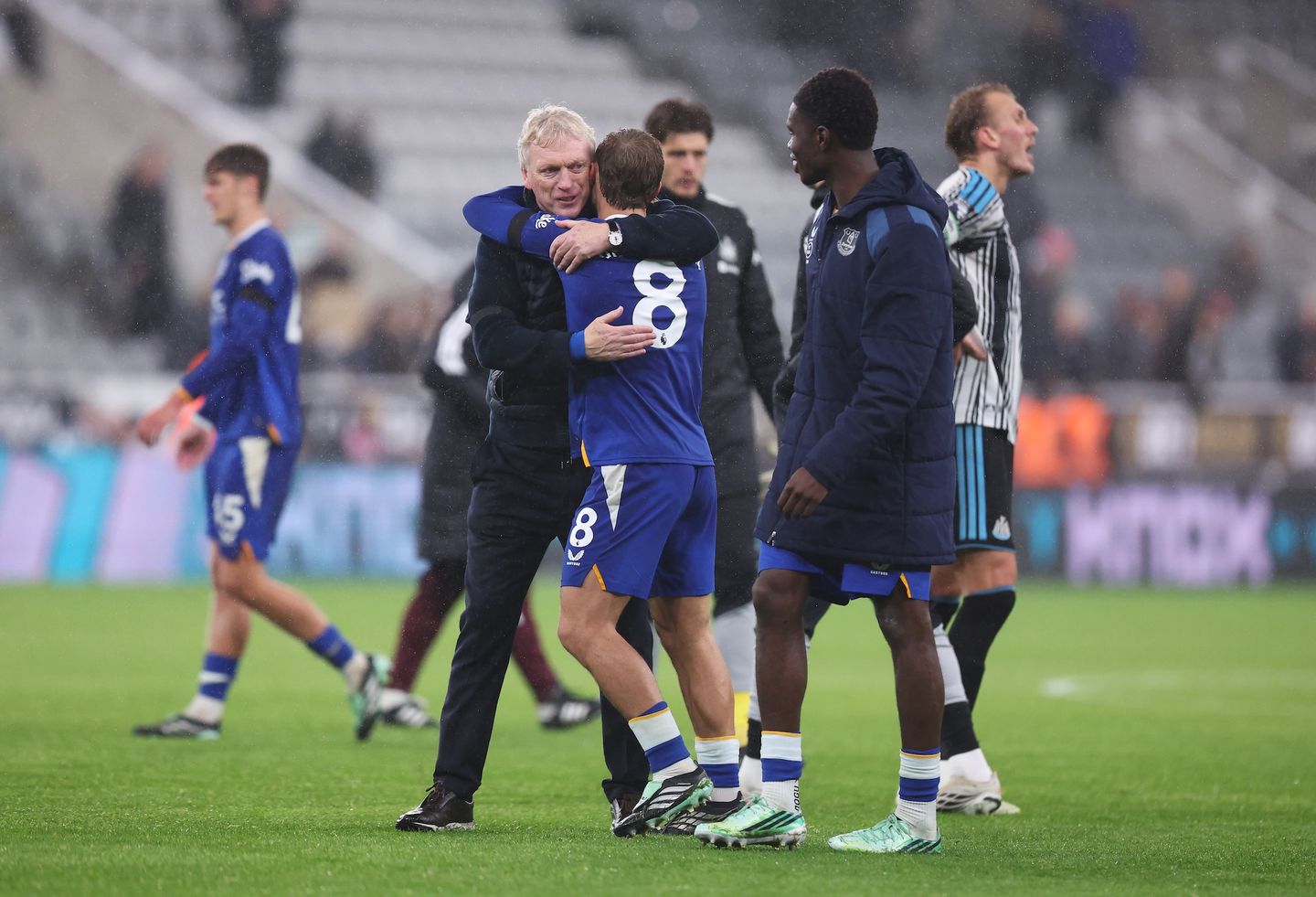
An unbeaten nine match run, including three successive wins and a famous 2-2 draw with Liverpool, ensured the spectre of relegation was quickly banished.
Then in his first full season Everton constantly knocked on the door of European qualification, only falling away in the final fortnight.
“Coming in, I knew it wasn’t going to be all singing and all dancing and there were going to be big changes,” says Moyes.
“But in those circumstances I actually thought last year was a fabulous year, considering where we were, with players out of contract, new people coming into the Club, me trying to get used to Everton again.
“I thought last year was a great season. This year, with a smaller squad and with the situation at the top of the Club changing again, my idea was for the progression to continue.
“I did believe we could build year on year. I hoped it wasn’t going to take 10 or 11 years to get to the level we were at. But when you look back at what we’d done before, it didn’t take 10 or 11 years, it took two or three years. So my hope was that we could do it even quicker here.
“I had done it at West Ham. They were in relegation trouble and we made Europe. I dreamed that I could do it with Everton too and I’ve got to say the dream came so close.
“This year feels as if we’ve got a more difficult situation. It’s probably harder than last year in some ways, because of our squad size. It will be hard to maybe reach some of the things we targeted last year, but I’ve got to hope that we’ve got enough in the bag to do something special.”
Taking charge of his 592nd match tonight, David Moyes has already achieved something special.
“I’m incredibly proud to be the Everton manager,” he reflects. “I’m sure Harry Catterick, Howard Kendall and Joe Royle were also incredibly proud. The Club gets you, and if you get the Club – then it’s so big.
“I’ve got huge respect for any managers in the game who have been at clubs for long periods, people like Brian Clough, Sir Alex Ferguson, Arsene Wenger and Bobby Robson. Managers who have had longevity at their clubs.
“Everton has been huge for me and my family. My son David has gone everywhere and has got to sing with the players, while my father has lived with, and watched it all.
“That’s why it’s so important. What is also important is that I’ll always try to do the right thing for Everton Football Club.”
That will always be the case for David Moyes as manager of Everton Football Club.





















© Copyright 1878 - 2026 Everton Football Club