
Men
3 June 25
David, let’s start with Goodison Park, somewhere you’ve had so many memorable moments. When you look back in years to come, how would you describe it to someone who didn’t experience it?
DM: It’s like coming into an arena, with the people so close to you. The people are almost touching distance from the pitch, so that’s something that’s special about it. It can generate an atmosphere that can be incredibly intimidating for the opposition, but it’s also somewhere I know families and supporters have come for many years to have that feeling of community – and to show their support for their team.
I think Goodison has not only been here for football but the community of Everton as well.
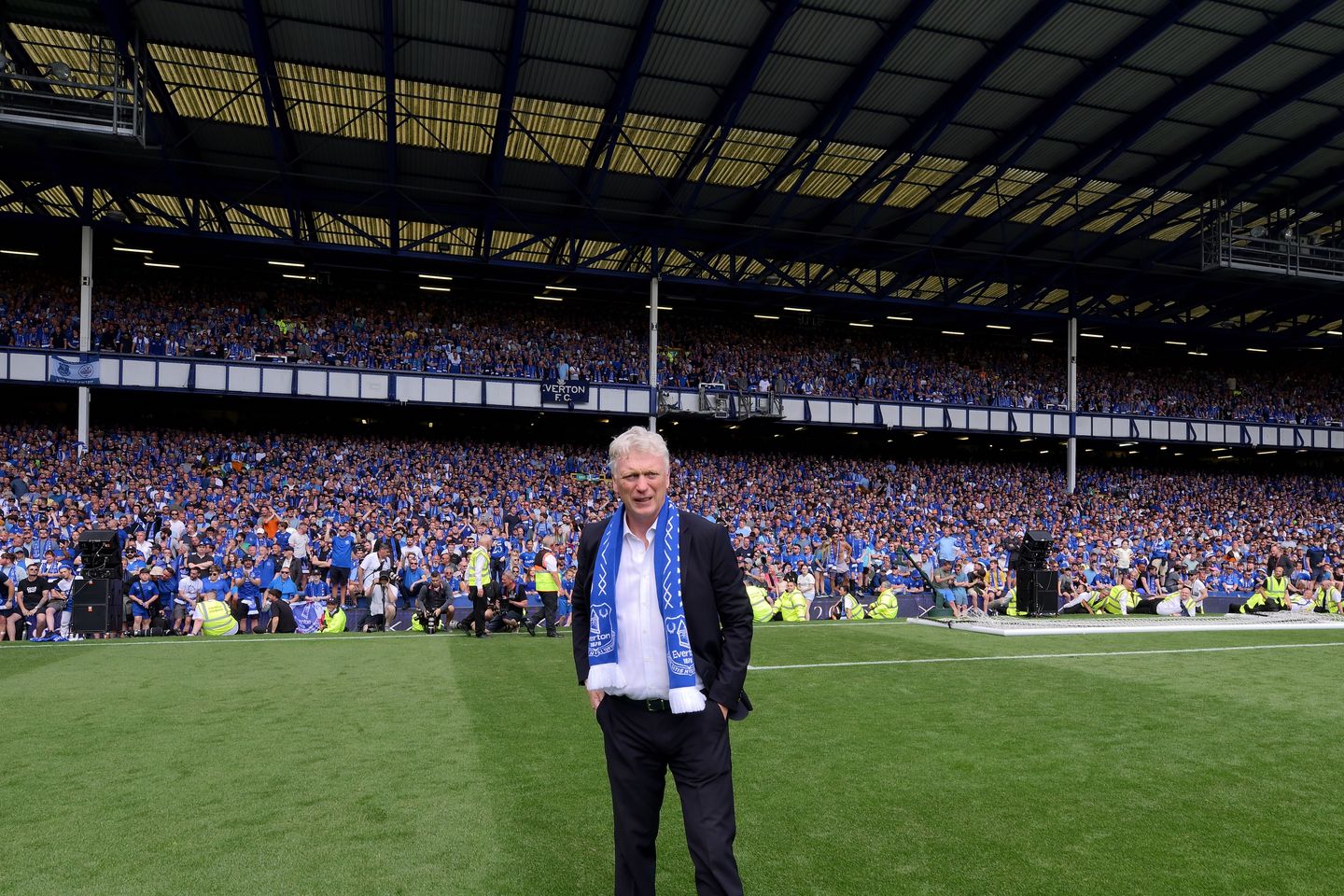
We will, of course, be moving to a new home from next season. How are you feeling about that?
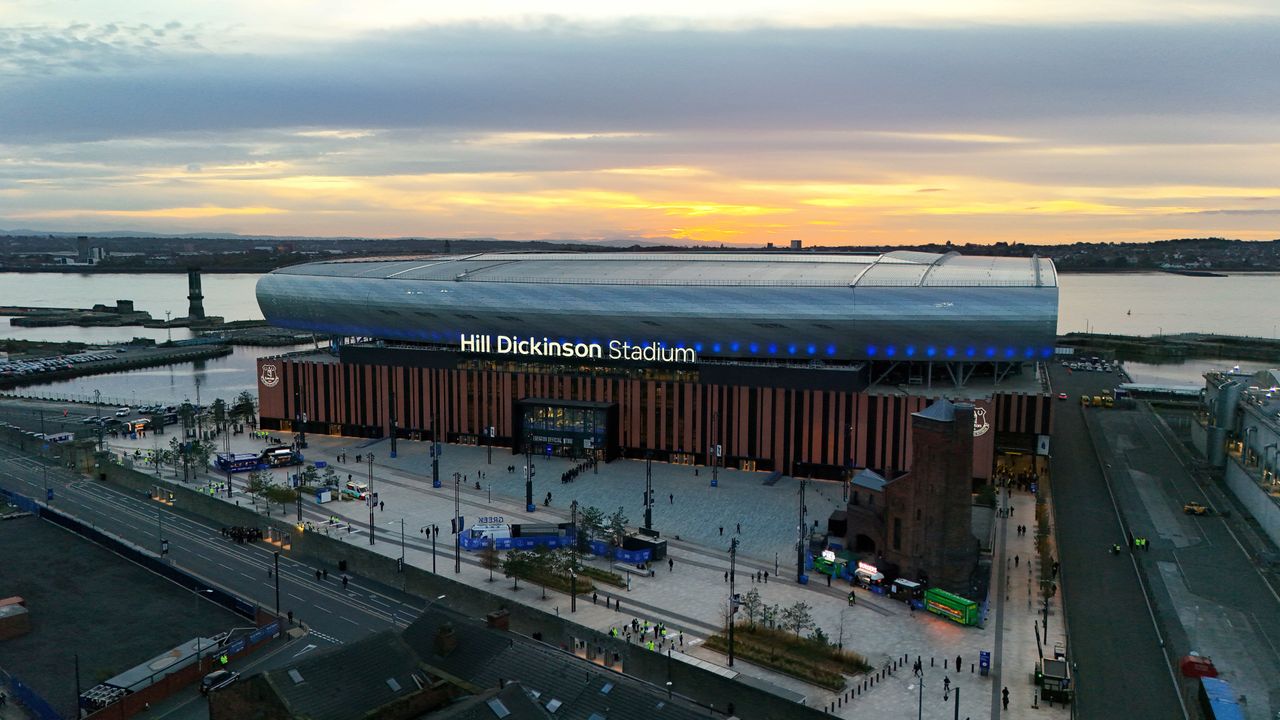
DM: It’s a huge boost for the football club, and I think we’re all excited about the thought of the new stadium. I think everybody here has been waiting for a long time for the move from Goodison.
I think we’ll be sad – sad that we’re moving on from Goodison, but I’m sure we’ll always think back to the great days and what it was like here. But to move forward into a new era, I think it’s what we need, and we’re all looking forward to that step.
How important is it going to be to make sure that the new stadium feels like home to us as quickly as possible?
DM: Absolutely. We’ve built an iconic stadium on the waterfront and I think, from a build perspective, it looks as if we’ve done everything we can to try to make it work for the players and the Club.
I don’t think it’s an easy thing – moving stadium – but I hope we can take the Goodison noise and all of the things we love about it into the new place. I think the new stadium is similar to Goodison in that the supporters will still be close to the pitch but it will be really important now for the supporters to feel at home quickly – and, of course, the big thing is giving everybody a team they can shout about.
During your first spell as Everton manager, you brought in a host of players who were great characters, as well as very talented footballers. Is that something that’s still important to you when it comes to recruitment?
DM: Characters will always make football clubs. We want ability and quality. We have great characters here, and I need to add to that, and I need to continue to find people who can fill the boots of maybe ones which have left or may move on. So, yes, character plays a huge part in all managers’ decision-making.
Looking at how things have gone since you returned to the Club in January, has anything taken you by surprise from what you were expecting to find here?
DM: I’m not sure if surprise is the right word, but I liked the commitment within the dressing room to make things better. None of the players here looked comfortable with the situation that we were in when I first arrived, in terms of league position.
Nobody wanted to be in a position where it had been in the past few years, or anything like surviving on the last day, as was the case a couple of years ago. I also let the players know straight away that I don’t want to be a manager who’s involved in relegation.
How different is the Club now to the one you left back in 2013?
DM: There have been lots of changes while I’ve been away. We used to have quite a small building, a small number of staff – and it’s now expanded greatly. We’ve got the Women’s team, the Under-21s, Under-18s and all of the Academy also with us at Finch Farm, so there are a lot more people.
There are all sorts of things that have changed across the Club and I think lots of things are very good, but there are also things I think that would be better if we try to change and look to go in a different direction in some ways.
You’ve managed more than 700 Premier League games in your career so far – only Arsene Wenger and Sir Alex Ferguson have overseen more than that. How much have you had to adapt during that time?
DM: Tactics have changed a lot. There have been big changes in football. Tactics are important but, behind it all, if you don’t win, then it doesn’t really matter about your tactics because people want winning teams.
One thing that hasn’t changed is the intensity, which has always been there in the Premier League. I think that’s an expectation that comes from the culture of this country. People want intensity, quick, competitive football. We’ve had so many influences come into the country as well, for example, coaches like Pep Guardiola, Arsene Wenger, Carlo Ancelotti – so many influences from different countries, and they’ve all had an impact on the Premier League.
Has the role of a Premier League manager changed in that time, too?
DM: Definitely. There’s a lot more media commitments now because the Premier League is so global, so there are more overseas channels, as well as the domestic ones. The duties have also changed in terms of how much more information the players are looking for now.
We have more data, more video resources, so we can look and learn more. It also means you can spend more time watching the opposition and shape how you’re going to play. There are a lot more elements to it nowadays.





















© Copyright 1878 - 2026 Everton Football Club